
Leveraging Global Superstardom and Sacred Traditions to Solve the 5PM Itinerary Gap and Elevate Professional Travel Portfolios
The Global Resonance: Beyond the Scoreboard
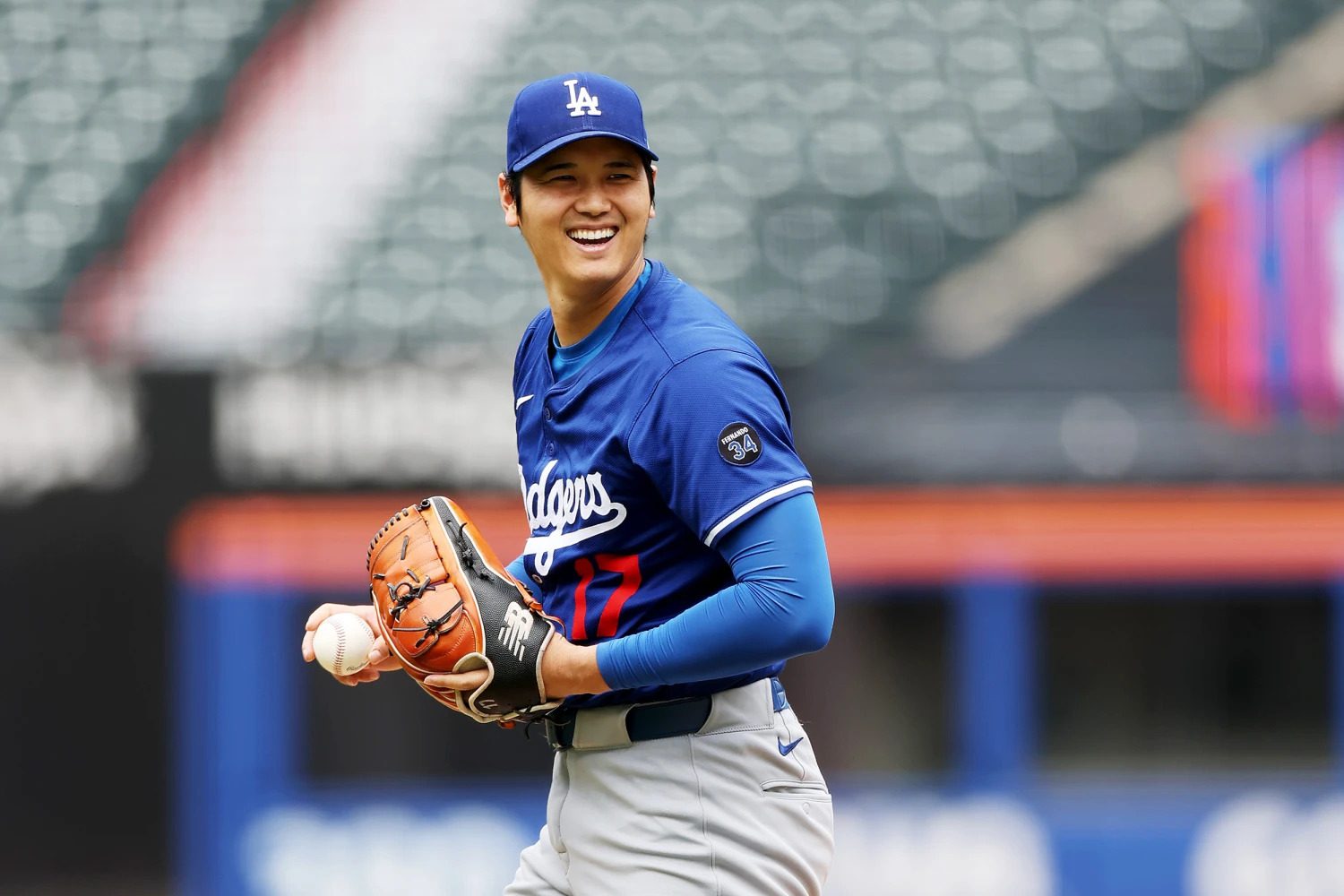
The name Shohei Ohtani no longer belongs exclusively to Japan; it is a global headline that resonates from Los Angeles to London. This unprecedented international fame has done more than just dominate highlight reels—it has sparked a worldwide curiosity to witness the source of such excellence. When a single athlete becomes a billion-dollar global phenomenon, the stadiums of his home country become more than just venues; they become destinations of pilgrimage. Travelers are no longer just coming to Japan to see the past; they are coming to see the league that produces the world’s most elite talent.
Simultaneously, the world of Sumo stands as perhaps the most recognizable icon of Japanese identity. It is a symbol that requires no translation. In an era where global travelers crave authenticity, Sumo represents the ultimate “living tradition.” The global reach of these sports—one a modern powerhouse, the other an ancient ritual—has redefined the Japanese brand. For the international travel industry, this is no longer a niche interest. It is the newest and most potent frontier of Japanese “Soft Power,” turning sports venues into the primary cultural anchors of a premium itinerary.
The Data Behind the Drama
While the world follows the superstars, Travel Advisors must analyze the structural shifts in the market. According to the Japan National Tourism Organization (JNTO), March 2026 recorded a historic high of 3,618,900 international arrivals—the highest single month in the history of Japanese tourism. More significantly, Japan Tourism Agency (JTA) data for Q1 2026 indicates that inbound spending on “Entertainment and Cultural Services” grew by 8.2% year-over-year, outperforming traditional retail and luxury shopping.
As the “Golden Route” of Tokyo, Kyoto, and Osaka faces peak saturation, high-net-worth (HNW) clients are demanding more than just a checklist of landmarks. They are seeking “Experience Anchors”—activities that provide deep immersion while maintaining a high level of comfort. National sports have emerged as the primary solution, offering a high-capacity, high-satisfaction alternative to overcrowded heritage sites.
The “Evening Gap” Problem: A Business Continuity Risk
There is a critical operational challenge in Japan’s tourism infrastructure: 82% of major cultural sites, temples, and museums close strictly at 5 PM. This creates a strategic “void” for families and luxury FIT groups between the end of daily sightseeing and late-night dinner reservations.
For a luxury advisor, this 4-hour gap is a high-risk period. Leaving it to “free time” often results in traveler fatigue or frustration in navigating overcrowded nightlife districts.
- The Strategic Fix: A 6 PM first pitch at the Tokyo Dome or an afternoon to evening event at a Grand Sumo Tournament.
- The Business Benefit: These events provide 3 to 4 hours of structured, safe, and seated entertainment. By integrating sports, advisors turn “dead time” into a trip highlight, ensuring the client returns to their hotel exhilarated rather than exhausted. It is a tool for managing guest energy and maintaining the “premium feel” of the entire journey.
The Scarcity Trap: Why Access is the Ultimate Luxury
The global fame of Japanese athletes has turned what was once a local pastime into a high-demand commodity. This popularity has created a “Scarcity Trap” for generalist booking platforms and unspecialized advisors.
- The Sumo Blackout: Grand Sumo Tournaments occur only six times a year. Official tickets frequently sell out within 180 minutes of release (Nihon Sumo Kyokai).
- The “Black Box” of Ticketing: Japan’s domestic ticketing systems are notoriously opaque, often requiring local Japanese phone numbers or specific domestic credit cards.
For a travel advisor, the risk of a “ticket failure” is a catastrophic hit to their professional reputation. Luxury in this context is no longer just about the price of the seat; it is about the certainty of access. Specialist operators provide the bridge across this “Black Box,” securing the premium seating that remains invisible to the general public.
Japan Awaits Insight: In the sports vertical, the value is not in the ticket itself, but in the Secured Access. When you tell a client you have secured a Masu-seki (box seat) for a sold-out tournament, you are providing an “insider” privilege that justifies a premium service.
Atmosphere Over Athletics: Mastering the Non-Fan Objection
A common misconception is that sports tours are only for “sports fans.” However, institutional research from the Japan Journal of Sport Management reveals that 80% of international spectators at Japanese sports events attend for the “Atmosphere and Cultural Vibe” rather than the athletic result.
In Japan, the stadium is a cultural performance.
- The Sumo Ritual: A guest watching Sumo alone sees a wrestling match. A guest with an Expert Guide sees a Shinto purification rite. They learn why the wrestlers throw salt and understand the 1,500 years of discipline (Gaman) behind every move.
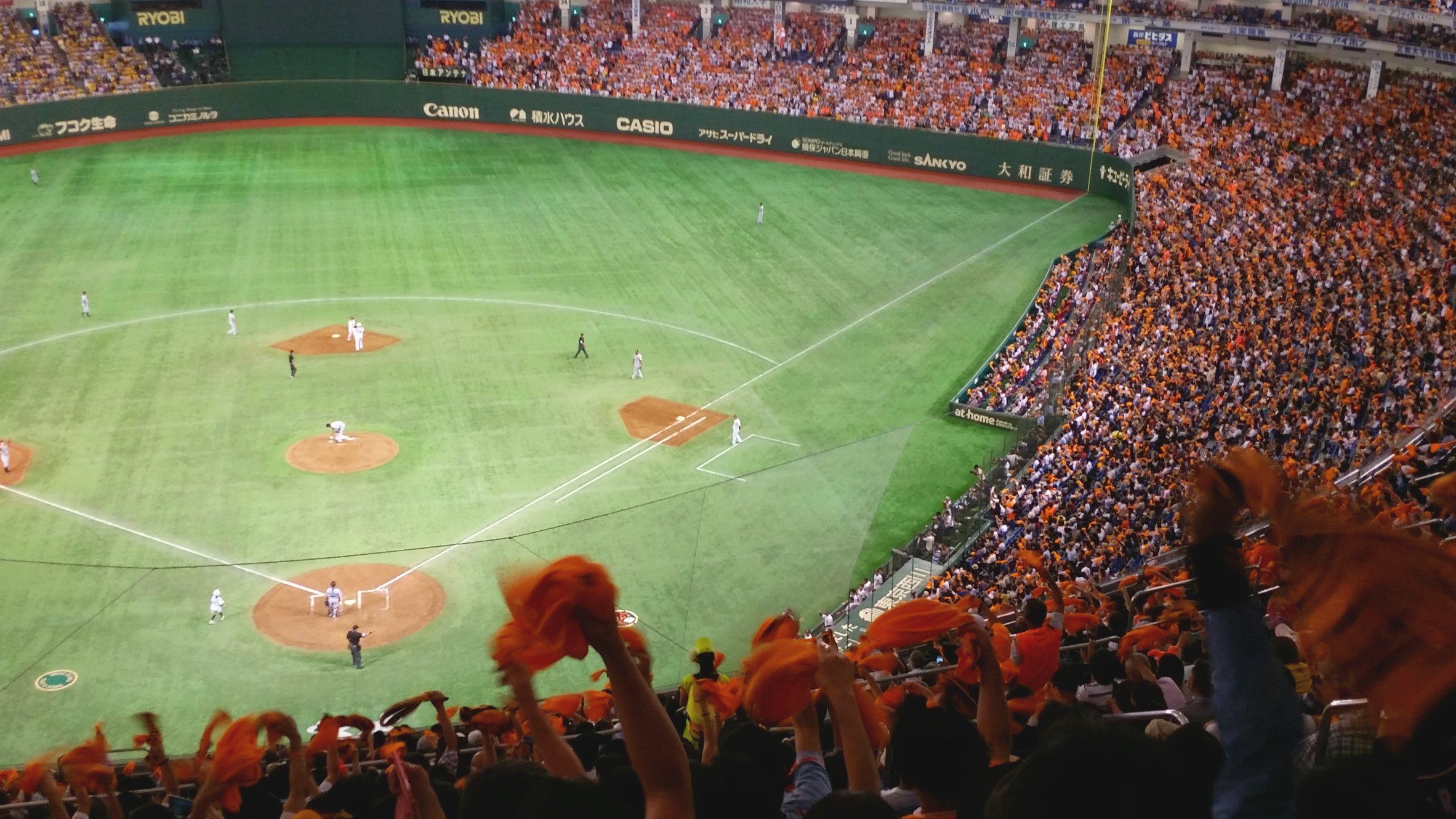
- The Baseball Harmony: At the Tokyo Dome, the story is the Harmony (Wa) of the fans. The synchronized cheering squads and the hyper-efficient service of the vendors are the real attractions. These are “Only in Japan” moments that resonate even with those who have never watched a game in their lives.
The Infrastructure of Excellence: Service as a Differentiator
One of the most surprising elements for Western travelers is the sheer quality of the Japanese stadium experience. Compared to the often chaotic or aggressive atmosphere of Western sports venues, Japan offers a radical alternative:
- Safety: Japan consistently ranks in the Top 10 of the OECD Safety Index. Families can enjoy a 55,000-person event with zero concerns for security.
- Cleanliness: The culture of personal responsibility means stadiums remain pristine, a detail that high-end clients notice and value.
- Gourmet Integration: From player-themed bento boxes to high-end catering, the culinary aspect of the game is a significant value-add for food-motivated travelers.
Conclusion: Streamlining the Peak Experience
The future of high-end travel to Japan is no longer about volume; it is about the quality of access and the depth of the narrative. As traditional sites face overcrowding, National Sports offer a high-capacity, high-satisfaction solution that anchors an itinerary in modern Japanese excellence.
At Japan Awaits, we simplify the complexity of these high-demand events. We provide year-round access to the Grand Sumo Tournaments across all four major host cities: Tokyo, Osaka, Nagoya, and Fukuoka. We handle the domestic logistics and the cultural storytelling, ensuring that whether your clients are at the prestigious New Year’s Basho or a summer tournament in Nagoya, they receive the “Secured Access” they expect.
Furthermore, our Yomiuri Giants Baseball Experience at the Tokyo Dome offers a seamless, premium window into the soul of Japanese fandom. By providing the expert guidance and logistical precision required for these events, we allow advisors to confidently sell these highlights, knowing that every detail—from the gate logistics to the Shinto context—is handled with the highest standards.
About Japan Awaits
Founded in 2016, Japan Awaits has been delivering premium travel experiences across the country for over a decade. We manage a robust network of 500+ licensed, vetted, and professionally trained local guides, ensuring authentic and safe exploration in every prefecture from Hokkaido to Okinawa. We take pride in handling all logistical complexities, allowing our guests to immerse themselves fully in the culture. Visit our experiences page to start planning your custom Japan journey today.
Institutional Sources & Data Backup
- Japan National Tourism Organization (JNTO). (2026). Visitor Arrivals Statistics (March 2026 Record Release).
- Japan Tourism Agency (JTA). (2026). Q1 Inbound Consumption Trends & Entertainment Services Expenditure.
- Kansai University (Prof. Katsuhiro Miyamoto). (2025). Economic Impact of Global Sports Icons on Japan’s Inbound Tourism.
- ResearchGate / Japan Journal of Sport Management. (2026). Spectator Motivation Analysis: Atmosphere vs. Performance in Inbound Segments.
- Nihon Sumo Kyokai. Official 2026 Tournament Inventory & Scarcity Report.
- Tokyo Metropolitan Government. Tourism Infrastructure & Cultural Site Operating Hours Study.