
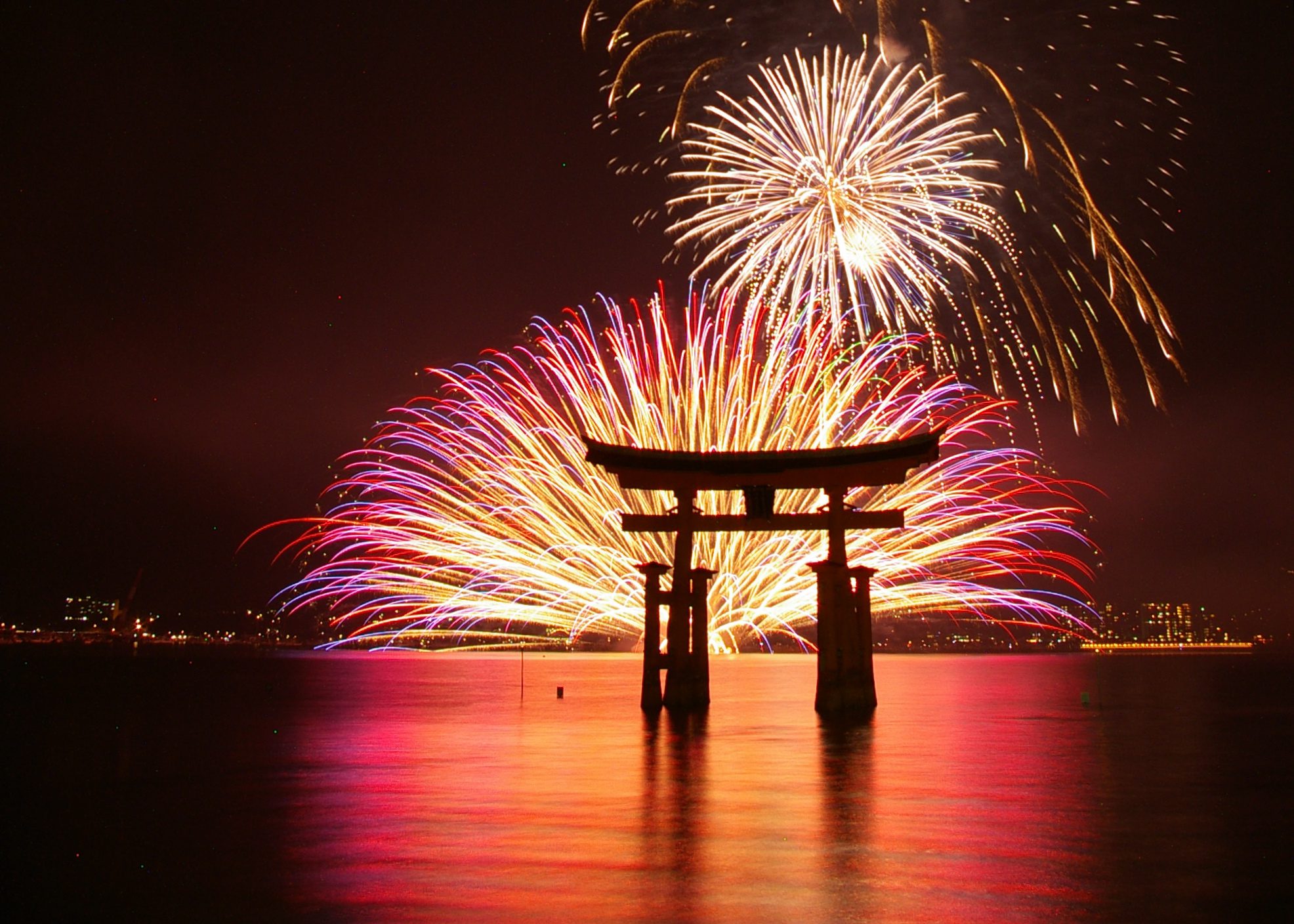
In Japan, fireworks are not just entertainment — they are a seasonal feeling.
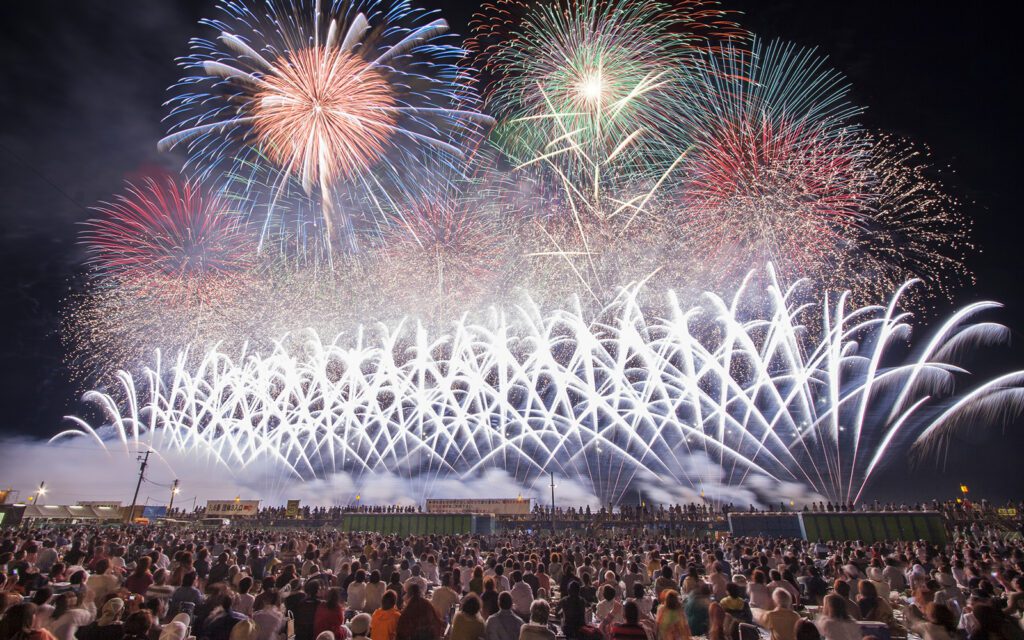
Each summer, as the air becomes heavy and the sound of cicadas rings across the evening streets, families, couples, and entire towns gather quietly near rivers, parks, or bridges. Everyone is waiting for the first burst of light to bloom in the night sky: the beginning of a hanabi taikai (花火大会).
In Japan, fireworks are a feeling, not a spectacle — a quiet beauty shared under warm summer skies.
1. Hanabi — Fire Flowers
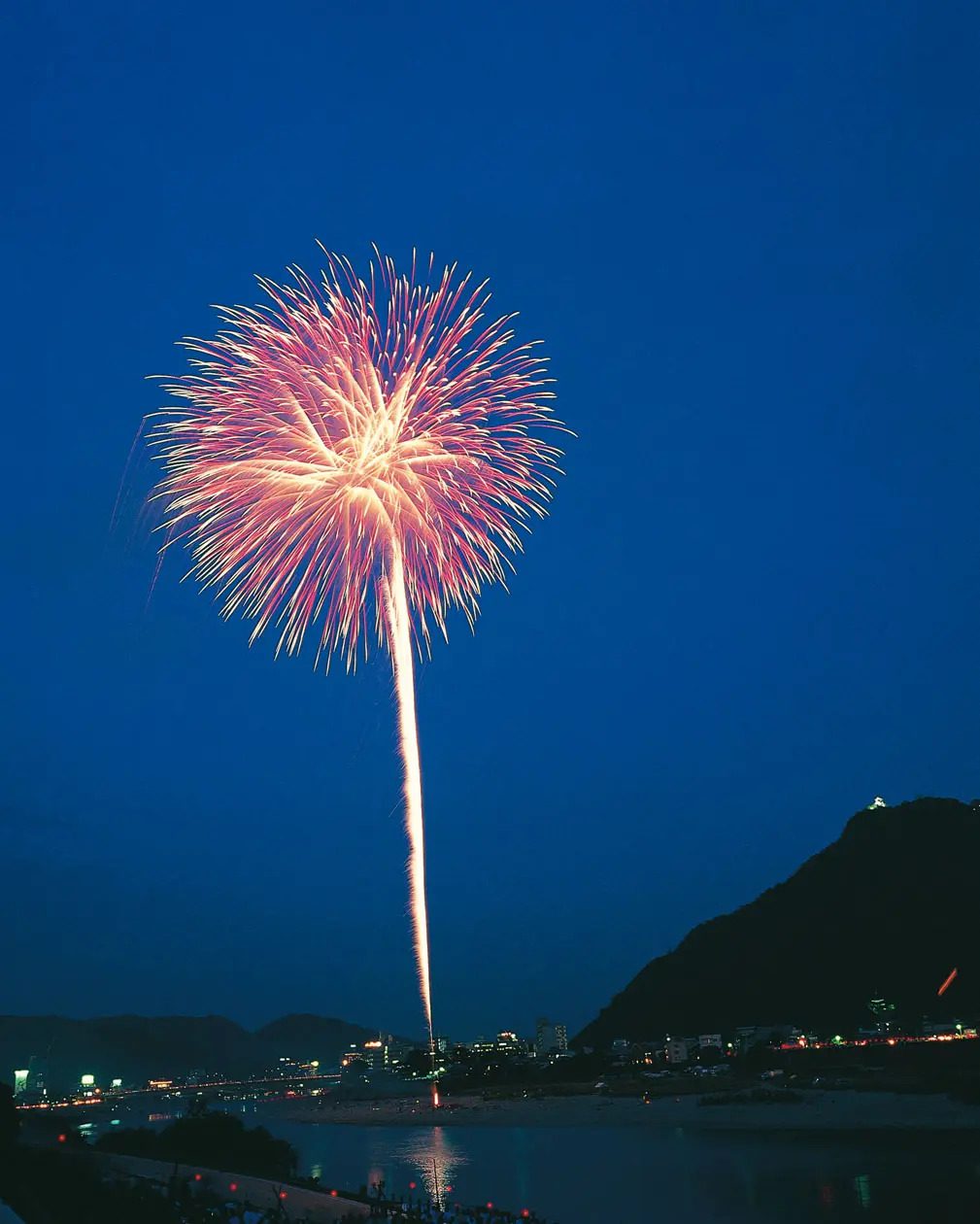
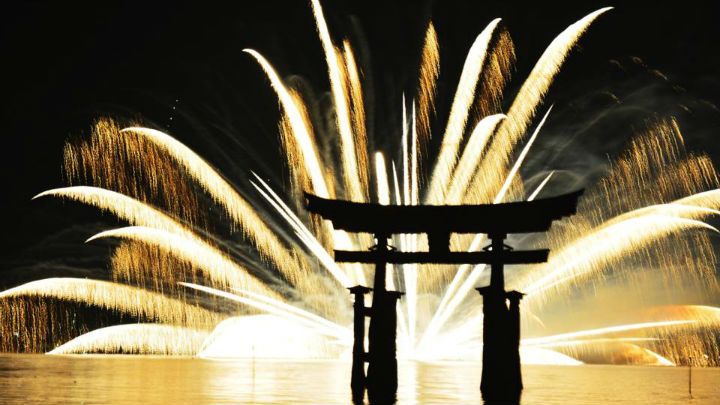
The word “hanabi” is written as 花火 — literally meaning “flower fire.” That name reflects exactly how fireworks are viewed in Japan: not as explosions, but as blossoms in the night sky.
Like cherry blossoms in spring, hanabi are beautiful because they’re fleeting. Their transience is part of their magic.
2. Not a Celebration, But a Feeling
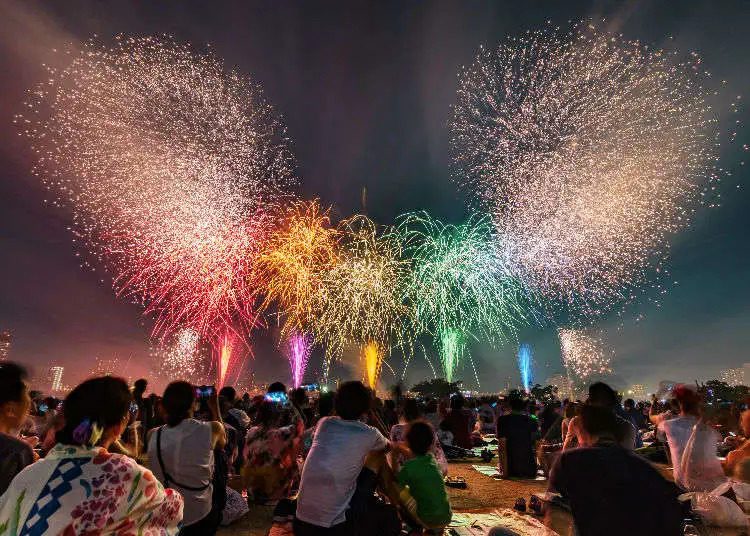
In many Western countries, fireworks mean countdowns, parties, and big crowds. But in Japan, they mean something more emotional — even nostalgic.
People bring their own yukata, simple picnic mats, homemade bento, and drinks. They sit together on the grass. And when the first fire flower blooms, a soft, collective “Uwaaaa…” echoes through the night.
This moment is what the Japanese call “natsukashii” — a warm, bittersweet feeling of summer evenings, memories, and stillness.
Where to See the Best Fireworks in Japan
3. Planning Your Hanabi Experience in Japan?
Don’t miss this once-a-year moment of beauty.
Join a local festival, wear a yukata, and let yourself be still beneath the stars.
Explore curated summer tours with hanabi festivals at Japan Awaits.